Analyzing the Limitations of Ethical Models: The Case of Pediatric Trauma Care in Gaza
Thursday, October 23, 2025
2:00 PM - 3:00 PM Pacific Time
Location: C125-126
Kaden Venugopal – Harvard Medical School; Ahmad Ibsais – University of Michigan Law School; Humza Irfan – University of Michigan; Abdulwhhab Abu Alamrain – Al-Aqsa Martyrs Hospital; Abdallah Abu Shammala – Gaza European Hospital; Maria Leister – Harvard Medical School; Haseeb Khawaja – Canton Medical Clinic; Hadeel Obeid – Indonesian Hospital; Izzeddin Lulu – Al-Shifa Hospital; Adam Hamawy – Penn Medicine Princeton Medical Center
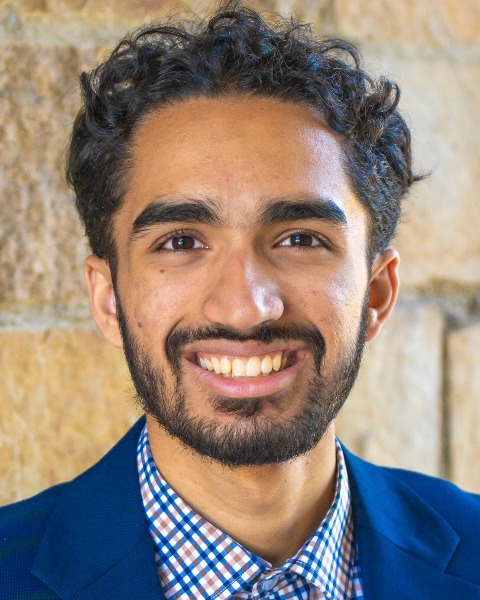
Researcher Harvard Medical School Boston, Massachusetts
Abstract: In conflict settings such as Gaza, traditional Western bioethical frameworks face profound limitations when addressing pediatric trauma care. This paper critically examines the applicability of Beauchamp and Childress’ four-principle approach, beneficence, non-maleficence, justice, and autonomy, in the context of pediatric trauma during the ongoing war in Gaza. Through firsthand accounts from healthcare workers and ethical reflections on pediatric cases, including challenges surrounding informed consent, resource allocation, limb salvage versus amputation decisions, and relational autonomy, this paper argues that Western bioethics alone fails to adequately address the unique complexities encountered in Gaza. We note how systemic factors like the destruction of healthcare infrastructure, severe shortages of medications and supplies, and breakdowns in pediatric care governance under blockade and bombardment severely constrain ethical practice. Furthermore, we explore how alternative frameworks, including humanitarian ethics emphasizing impartiality, neutrality, and cultural contextualization, alongside Islamic bioethical perspectives prioritizing communal obligations and varied surrogate decision-making, offer practical and culturally relevant ethical guidance. We propose integrating relational autonomy and Islamic ethical principles with humanitarian ethics to better navigate pediatric care dilemmas in a conflict zone such as Gaza. This paper aims to add to the larger literature regarding urgent need for context-specific ethical models that consider structural violence, cultural values, and the realities of delivering pediatric care amid active military conflict.
Keywords: Disaster ethics, Humanitarian ethics, Conflict and health
Learning Objectives:
After participating in this conference, attendees should be able to:
Identify specific ethical limitations of traditional Western bioethical principles (autonomy, beneficence, non-maleficence, justice) when applied to pediatric trauma care in active conflict zones, particularly Gaza.
Explore how relational autonomy and Islamic ethical principles can inform clinical decision-making in humanitarian pediatric care amid severe resource constraints and ongoing violence
Evaluate the practical strengths and limitations of integrating humanitarian ethics frameworks into pediatric trauma care decision-making in Gaza and similar contexts

.png)