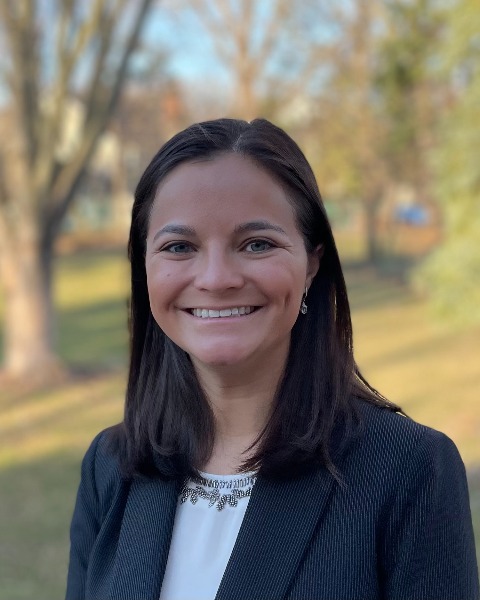
Pediatrics Resident, PGY1 University of Minnesota, Twin Cities Bloomington, Minnesota
Abstract: We recently published a review of five categories of exceptions to confidentiality. In doing so, we discovered instances in which the law underdetermines the right thing to do. This session reviews the five categories of practical exceptions to confidentiality and presents corner cases in which disclosure is legal but morally debatable. Participants will be briefed on the relevant laws and guidelines before case discussions. Participants will be polled pre- and post-discussion of each case.
Clinicians may disclose patient information, without patient consent, in five categories: (1) When public health requires mandatory reporting such as child abuse or communicable diseases, (2) When a substitute decision-maker is required, (3) When third party interests are relevant such as workers’ compensation evaluations, (4) For administrative and operational purposes such as insurance claims, (5) In rare but important cases like when one has a “duty to warn/protect.” Case-based questions for audience discussion, where the law is silent, include: Should we disclose to the mother of a 16-year-old on a ventilator that her daughter’s birth control (prescribed without mother’s knowledge) likely contributed to a pulmonary embolus? Should a team physician share information with the coach about a player’s cis/trans status? Is there a duty to warn an HIV+ patient’s sexual partner if the patient refuses to disclose it?
Keywords: confidentiality, case study review, pediatric ethics
Learning Objectives:
After participating in this conference, attendees should be able to:
At the end of this session, attendees will be able to describe five categories of legal exceptions to confidentiality.
At the end of this session, attendees will be able to debate current controversial exceptions to patient confidentiality.
At the end of this session, attendees will be able to determine the role of patient and provider communications in decisions about controversial exceptions to confidentiality.

.png)