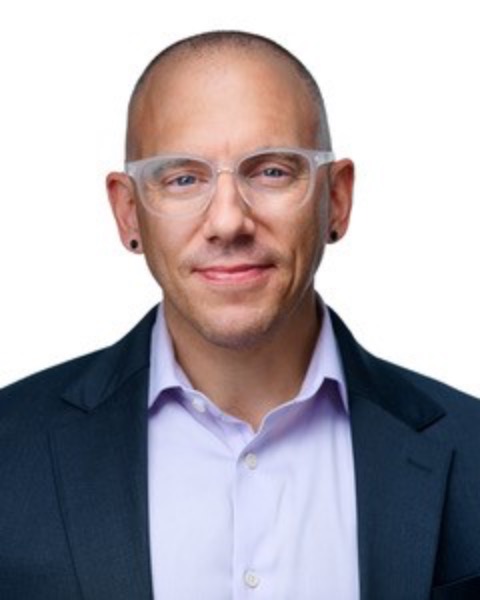
Assistant Professor of Law Loyola University School of Law Chicago, Illinois
Abstract: GLP-1 receptor agonists like Ozempic have been referred to as “miracle” drugs. This moniker is owed to their effectiveness in treating type 2 diabetes, reducing adverse cardiovascular events, and stemming the progression of kidney disease in diabetic patients. But the weight loss benefits these drugs produce have also catapulted them into the wellness zeitgeist. In a nation plagued by an ongoing obesity epidemic, these drugs represent another intervention touted as a solution to a public health crisis. Yet absent from this discussion is an acknowledgment of the rights and interests of fat people. This paper is situated in the fat justice movement, which seeks to build a more just world where “fat bodies are valued and supported just as much as thin ones.” Based on this theoretical perspective, this paper will look at the relationship between GLP-1s, fat justice, and the legal protections that exist across three domains: (1) the individual patient-provider interaction, (2) the regulation of GLP-1s, and (3) the broader society. What legal protections can patients seek should their physician pressure them to take GLP-1s? What can be done to address potential public health harms that grow from off-label prescribing or the procurement of compounded drugs through unregulated vendors? And is there a role for law in addressing fat stigma and injustice in a society obsessed with wellness and ideal bodies? Our laws and policies must address the needs of all Americans regardless of body size and treat them as humans deserving of respect and rights.
Keywords: Fat, Law and Policy, Discrimination
Learning Objectives:
After participating in this conference, attendees should be able to:
Describe and define the fat justice movement as a theoretical framework for understanding public health and law.
Illustrate the benefits and drawbacks of existing laws and policies with regard to the availability of GLP-1s.
Identify ways to create a more equitable social, medical, and public health environment for fat Americans.

.png)