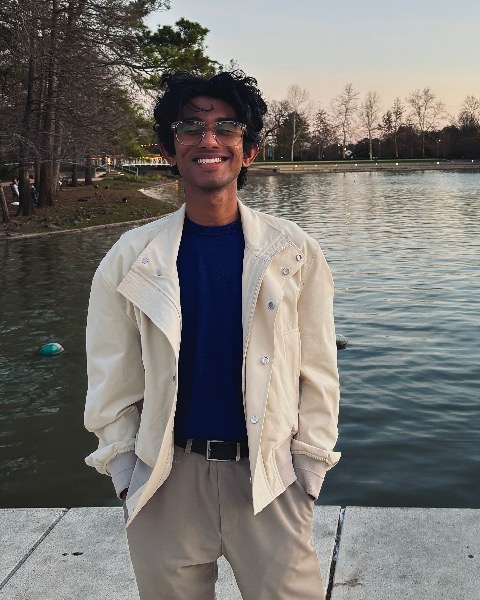
PhD Candidate The University of Texas Medical Branch Galveston, Texas
Abstract: Drug forgiveness is a scientific measure that quantifies a drug’s efficacy in maintaining therapeutic effects when patients miss their medication. Drug forgiveness biomedically “forgives” patients for missing their dosage and failing to adhere to treatment. Forgiveness as a biomedical measure is essential for chronic illnesses like HIV, where poor adherence impacts health and transmissibility. However, drug forgiveness operates within a normative infrastructure where individualizing adherence regimens isolates patients from care relationships. Drawing from queer and feminist philosophies of love, I argue that forgiveness should be understood as ongoing, self-transformative labor that enables patients to engage with queer communal care networks when their experiences deviate from clinical norms. I ground my argument in three ways through a critical discourse analysis of biomedical literature on drug forgiveness and bioethics scholarship on adherence. First, I show that current clinical practices of forgiveness frame people living with HIV as criminal within biomedical and socio-legal systems. Second, I show that bioethics scholarship on treatment adherence frames forgiveness through normative codes within doctor-patient relationships, neglecting social determinants, thereby lowering adherence rates. Third, I demonstrate that biomedical uses of forgiveness frame it as a drug attribute rather than a relational practice, masking the social and structural factors that affect patients’ adherence capacity. Biomedicine and bioethics must acknowledge how communal care reshapes forgiveness, shifting it from an individual biomedical tool to a relational practice that enables adherence. The talk will close with reflections on how philosophies of love can be extended within the medical care of all individuals.
Keywords: Treatment Adherence, Queer- Feminist Bioethics, Communal Health Justice
Learning Objectives:
After participating in this conference, attendees should be able to:
Identify biomedical and clinical solutions that enable better treatment adherence for patients with chronic illnesses
Recognize that such biomedical solutions further isolate patients from their care thereby erecting barriers to remaining adherent
Implement non-individualizing communal care practices and health resources that sustain a patient's ability to remain adherent to care

.png)