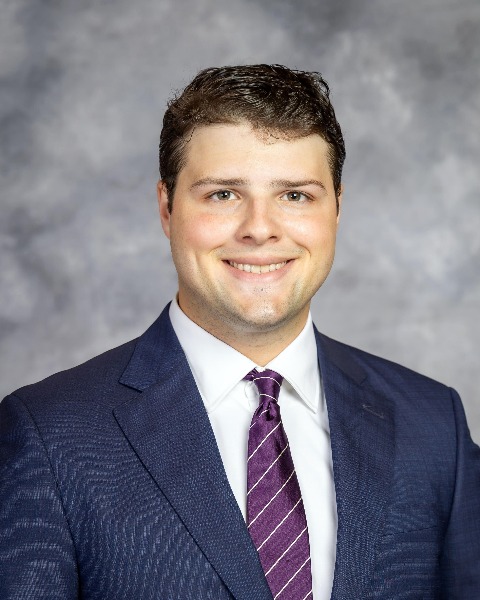
Medical Student Northwestern University Feinberg School of Medicine Chicago, Illinois
Abstract: Medical education encourages students to emulate the societal role of physicians even while the knowledge base and experience that defines physicianhood is still developing. An approach centered around encouraging the modeling of physician-like behavior and communication with patients encourages the development of professional identity, communication skills, and clinical reasoning, even though it may place students in situations that push these nascent skills to their limits.
This presentation will explore the manner in which the fledgling independence granted to medical trainees is perilous but absolutely vital to the development of clinical reasoning and professional identity. Maintaining physician-like relationships with patients allows students to learn to navigate complex relationships in the physician role, hone the ability to determine the relevance of clinical information, and ultimately improves patient care by giving patients more time with their medical teams. However, this approach is not without pitfalls, and this presentation will explore a number of case scenarios in which a trainee-patient relationship led to conflict, particularly with attention to confidentiality with regards to the rest of the team.
In an era where confidentiality is fighting a constant battle against the march of data, centering the development and evolution of the patient-provider relationship, and its implications for confidentiality and medical training is essential to protect trainees and the patients they help take care of. Analysis of cases and extrapolation of trends is the first step in gleaning principles to guide future medical educators to optimize and enhance relationship-forming experiences and center patient care.
Keywords: Confidentiality, Medical Student Education, Clinical Training
Learning Objectives:
After participating in this conference, attendees should be able to:
Analyze the ways in which student experiences with patients as trainees influence their eventual practice as providers.
Understand the lens through which patients interpret their interactions with medical trainees.
Think about the ways medical trainees are presented to patients, and how the process could or should change.

.png)