Re-Imagining Medicine: Engaging Place, History, and Story to Cultivate Character and Imagination among Pre-Health Professional Students
Friday, October 24, 2025
10:45 AM - 11:45 AM Pacific Time
Location: C120-122
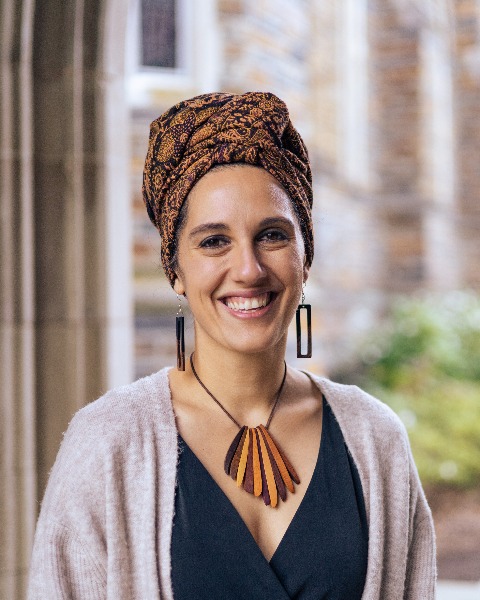
Anna Broadwell-Gulde – University of North Carolina at Chapel Hill; Alexandra Cooper – Duke University; John David Ike – Duke University; Warren Kinghorn – Duke University; Sneha Mantri – Duke University; Brandon Oddo – Duke University
PhD Student / Program Coordinator UNC Chapel Hill / Duke University Chapel Hill, North Carolina
Abstract: While the medical humanities are being incorporated into medical school curricula across the United States, there has been comparatively little research regarding how pre-health students in medical humanities programs describe their purpose and positionality in health care and how these programs inform their engagement with self and others.
Re-Imagining Medicine (ReMed) is an interactive, immersive, non-credit summer program at Duke University that invites pre-health professional undergraduate students to explore the intersection of medicine, virtue, and moral purpose through engagement with the arts and humanities. The program centers place, history, and story to foster the character, imagination, and practices needed to work effectively in a complex modern health care system. The program centers on three foundational questions: How might we better connect with our own stories and with the stories of the communities and cultures that have formed us? How might we attend closely to the stories of the places and communities where we are living – including the histories of those places and communities? How might we begin to learn about the stories of the communities whom we hope to serve as health care practitioners?
In this presentation, we situate the ReMed program within the context of medical humanities education and share findings from a mixed-methods study involving ReMed program participants. Through validated pre- and post-program surveys, and semi-structured qualitative interviews with former students, we examine themes of purpose, flourishing, and positionality in health care that emerged after participation in the 10-week summer immersive program.
Keywords: Pre-health education, Moral formation, Mixed-methods research
Learning Objectives:
After participating in this conference, attendees should be able to:
Articulate how formational programs in the medical humanities can promote the cultivation of character, purpose, and imagination in pre-health undergraduate students.
Outline key themes emergent from quantitative surveys and qualitative interviews with pre-health students who participated in a summer immersive program focused on medicine, virtue, community, and moral purpose.

.png)