Including Non-English Speakers in Clinical Trials in the United States: Overcoming Regulatory Barriers
Friday, October 24, 2025
1:15 PM - 2:15 PM Pacific Time
Location: C123
Catherine Feutz, IMBA, CCRA – MaineHealth Institute of Research – MaineHealth; Amanda Lessard, Ph.D. – MaineHealth Institute of Research – MaineHealth; Elizabeth Scharnetzki, Ph.D. – MaineHealth Institute of Research – MaineHealth; Richard Riker, MD – Critical Care Medicen – MaineHealth
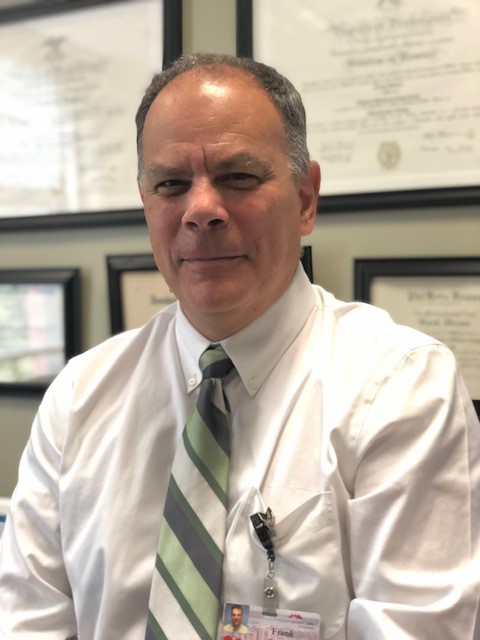
Director Clinical Ethics MaineHealth Maine Medical Center Portland, Maine
Abstract: This presentation proposes solutions to the “protection-inclusion” dilemma as it applies to enrolling Non-English Speakers (NES) in clinical trials. The protection-inclusion dilemma refers to the tension between the responsibilities of Institutional Review Boards (IRBs) to protect vulnerable populations while also increasing the participation of underrepresented groups (Friesen, AJOB, 2023). While there are many barriers to the inclusion of NES in clinical trials, IRB policy comparisons suggest that uncertainty in federal regulation interpretation leads to prioritizing protection over inclusion (McMillan, Ethics and Human Research, 2020). The dramatic underrepresentation of NES in US clinical trials contributes to health inequities and compromises the generalizability of research conclusions. For individuals, the inability to enroll NES deprives these persons of the opportunity to access innovative care unavailable through other means. At the population health level, the exclusion of NES compromises the generalizability of health care research. Despite focus on the problem over the last decade, there has been little progress. A recent examination of 5008 pediatric research trials found that only 9% included NES participants. Further, the vast majority included only Spanish speakers, suggesting extremely low participation of those who speak a language other than Spanish or English (Chen, JAMA Pediatrics, 2022). We report the results of a Delphi process to reach a consensus understanding of federal regulations for enrolling NES in clinical trials that is feasible to implement, ethically exemplary, and culturally appropriate. Delphi participants include IRB members, research compliance professionals, principal investigators, research coordinators, interpreters, translators, and community-based multilingual case managers.
Keywords: Research ethics, Non-English speakers and persons with limited English proficiency, informed consent for clinical trials
Learning Objectives:
After participating in this conference, attendees should be able to:
explain the ethical justification for the importance of including Non-English Speakers in clinical trials in the United States.
understand how Institutional Review Boards interpret federal regulations regarding the enrollment of non-English speakers in clinical trials such that protection is prioritized over inclusion.
propose interpretations of human subject protection regulations that achieve high quality informed consent, are feasible to implement, and are sensitive to the cultural context of potential research subjects.

.png)