Gifts Beyond the Grave: A Historical Analysis of 20th Century Cadaver Ledgers in the Midwest
Friday, October 24, 2025
2:30 PM - 3:30 PM Pacific Time
Location: B119
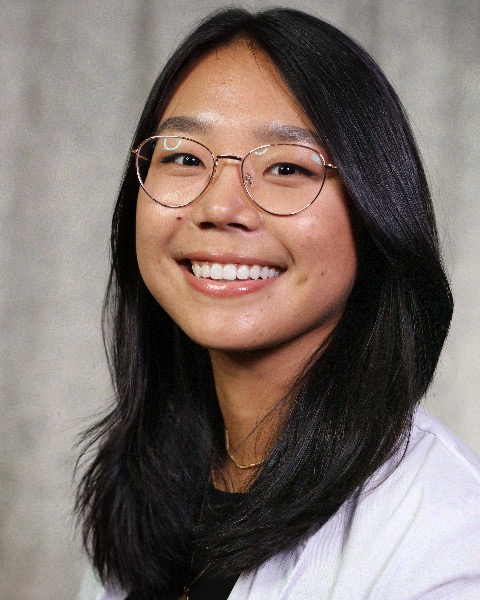
Brock Halling – College of Medicine – Kansas City University; Hannah Conner, MPH – Center for Population Health and Equity – Kansas City University; Whitney Shae, PhD – Assistant Professor, College of Biosciences, Kansas City University; Aaron Segal, PhD – Assistant Professor, Bioethics, Kansas City University
Medical Student Kansas City University College of Osteopathic Medicine Wichita, Kansas
Abstract: Cadaveric dissection in medical schools has long been the foundation of teaching not only of the anatomical sciences, but also of humanistic values through students’ interaction with the donor as their “first patient.” The procurement of bodies for dissection in the United States has shifted from graverobbing in the 18th and 19th centuries, to the use of unclaimed bodies in the early 20th century, to consensual body donations which remains the sole source of the supply today. This shift occurred within less than a century during a period of massive cultural shifts through legislative changes, population demographic changes, scientific developments, and the spread of mass media, all of which changed the perceptions and rituals of death in America. How bodies were acquired for dissection in 20th century America is not well studied. Recent discovery of a collection of cadaver ledgers with handwritten records of donor information (n=4131) spanning from 1911 to 2000 allows for insight into the historical trends of cadavers at a Midwest institution. The dataset was analyzed for comparison with population census data in order to compare demographic makeup to aid in highlighting historical shifts in inclusivity in medical education and the extent to which cadavers have been representative of area populations. Historical analysis helps to provide insight into the standards and practices of cadaver supply, providing a historical perspective to understand the history of body bequeathal to better inform how best to ethically institute these programs and highlight cultural considerations.
Keywords: body donation, demographic analysis
Learning Objectives:
After participating in this conference, attendees should be able to:
Understand the historical shifts in cadaver procurement for dissection, particularly the transition from 18th century graverobbing to consensual body donation programs in the 20th century onwards.
Evaluate demographic trends and changes in cadaver acquisition and donations and their representation of local populations.
Understand the importance of inclusivity in medical education to inform ethical body bequeathal practices.

.png)