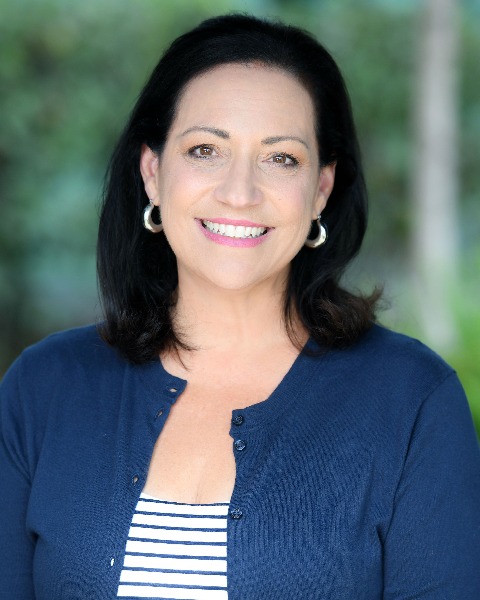
Clinical Ethicist Children's Hospital Los Angeles Studio City, California
Abstract: Drawing from the literature on clinician grief avoidance seen in healthcare providers involved in medical assistance in dying (MAID), I will explore the phenomenon of grief avoidance in clinicians, particularly in pediatric ethics consultations at a quaternary care children's hospital. Grief avoidance, a coping mechanism developed over time, stems from clinicians' distress over patient deaths and perceived suffering. Using cases from ethics consultations, I will examine how grief avoidance contributes to "unit-based bias" towards patient populations with life-limiting conditions or poor prognoses. These collective biases, rooted in grief avoidance and the anxiety clinicians hold about their patients, can skew clinicians' perceptions and clinical recommendations, leading to stereotypical narratives about patients and their families. This bias may unintentionally influence care decisions, steering families toward outcomes that reflect clinicians anticipated patient outcomes rather than the family's values or experiences. By identifying this issue, I aim to assist clinical ethicists in navigating consultations. To address grief avoidance, I propose implementing “narrative repair” strategies such as ethics rounds, Medical Improvisation, and Narrative Medicine training, which could help mitigate its impact on clinicians, healthcare teams, and the ethical culture of healthcare units.
After participating in this conference, attendees should be able to:
Analyze the impact of grief avoidance and collective bias on clinicians' perceptions of patients with life-limiting conditions in pediatric ethics consultations.
Evaluate the ethical implications of grief avoidance in clinical settings and its effect on patient care decisions and outcomes.
Apply narrative repair strategies such as ethics rounds and Medical Improvisation to address grief avoidance and improve ethical decision-making in healthcare teams.

.png)