Session: Health Humanities and Professional Development
Educators' Insights on High-Quality Health Humanities Programs in Baccalaureate, Graduate, and Health Professions Education
Saturday, October 25, 2025
8:00 AM - 9:00 AM Pacific Time
Location: C123
Craig Klugman, PhD – DePaul University; Rosemary Weatherston, PhD – University of Detroit Mercy; Anna-leila Williams, PhD, MPH – Professor Emerita, Quinnipiac University; Rita Dexter, MA – Clinical Research Associate, Center for Medical Ethics and Health Policy, Baylor College of Medicine; Patricia Luck, MBChB, MPhil, MSc – University of Rochester School of Medicine and Dentistry; Erin Lamb, PhD – Case Western Reserve University School of Medicine
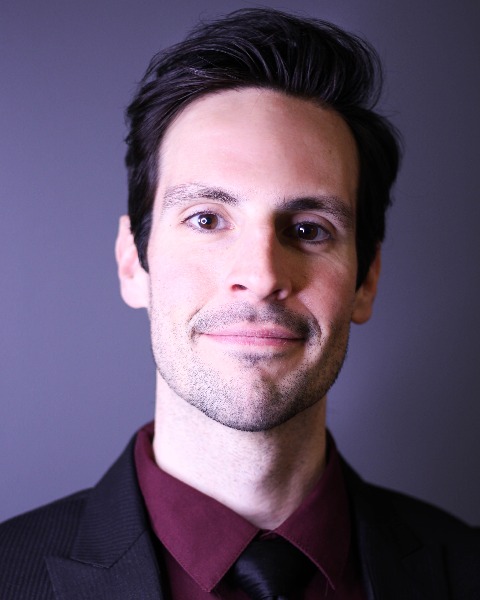
PhD Candidate Case Western Reserve University Valley View, Ohio
Abstract: Recent decades have seen an exponential increase in health humanities academic programs–which typically include bioethics as a required component–at the baccalaureate, graduate, and professional school levels. Programs vary widely across institutions, necessitating this research project which gathered broad perspectives on what distinguishes health humanities academic programs from other fields/disciplines and what content programs should deliver. We held 14 focus groups with 87 health humanities educators and alumni located in 33 U.S. states and 1 Canadian province. Participants were asked what knowledge, skills, and values health humanities students should learn and what makes a health humanities education unique from other programs of study. While we have previously shared some of the high-level findings from this study (five overarching themes that transcend all levels of health humanities education: Interdisciplinarity, Internal Inquiry, External Examination, Praxis, and Transformational Education), this presentation shares more detailed information about the specific knowledge, skills, and values content that educators perceive as essential. While we found remarkable consensus across educational levels, this presentation will parse the significant differences we found across educational levels. Finally, we will share unexpected findings including strong themes of navigating institutional and national politics, the realities of health humanities scholars who often work in isolation at their institution, and the struggles that educators in politically conservative states expressed about teaching social justice, a key value named by most focus groups.
Keywords: Education, Interdisciplinarity, Health humanities
Learning Objectives:
After participating in this conference, attendees should be able to:
Describe the essential skills, knowledge, and values that educators teach in health humanities.
Compare educational priorities among baccalaureate, graduate, and health professions health humanities programs.
Explore the challenges in offering health humanities programs in the current sociopolitical climate.

.png)