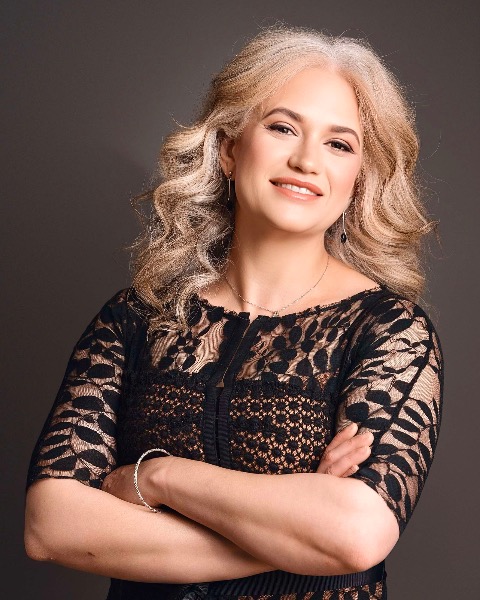
Chair and Associate Professor of Bioethics and Humanities SUNY Upstate Medical University New Hartford, New York
Abstract: Parental refusal of treatment for curable childhood cancer is a classic pediatric ethical dilemma. Published ethical analyses of high-profile cases abound and many pediatric ethicists have addressed such scenarios in core texts on pediatric ethics. Such work invariably draws upon one of several established frameworks for ethical pediatric decision-making. While case studies are easy to find, almost no empirical work has explored clinicians’ experiences navigating these “textbook” challenges in the real world. In order to address this gap, we conducted an exploratory, qualitative study of pediatric oncologists’ experiences with families who refused or abandoned treatment for their children’s curable cancers. This paper is the final in a series of five analyzing these experiences, reporting pediatric oncologists’ own thinking about ethics: how do they assess the ethics of these scenarios when they face them in practice? Notably, 21 of 30 participants stated that they had never heard of any formal ethical frameworks. Of the remaining nine, three reported familiarity with the Best Interest Standard, two with the Harm Principle, and one with “Reasonable Person Standard” (more common in legal settings), while three described but did not name frameworks combining elements of several. In the paper, we describe our findings and argue that clinicians would benefit from a more robust understanding of guidance and intervention principles in pediatric decision-making, which might mitigate moral distress, facilitate earlier identification of ethical dilemmas, enhance use of ethics consultation, and prevent some conflicts from becoming entrenched.
Keywords: continuing education, pediatric decision making
Learning Objectives:
After participating in this conference, attendees should be able to:
Describe pediatric oncologists’ awareness of formal ethical frameworks and their application to treatment refusal.
Explain how clinicians benefit from more robust understanding of guidance and intervention principles in pediatric decision-making.

.png)