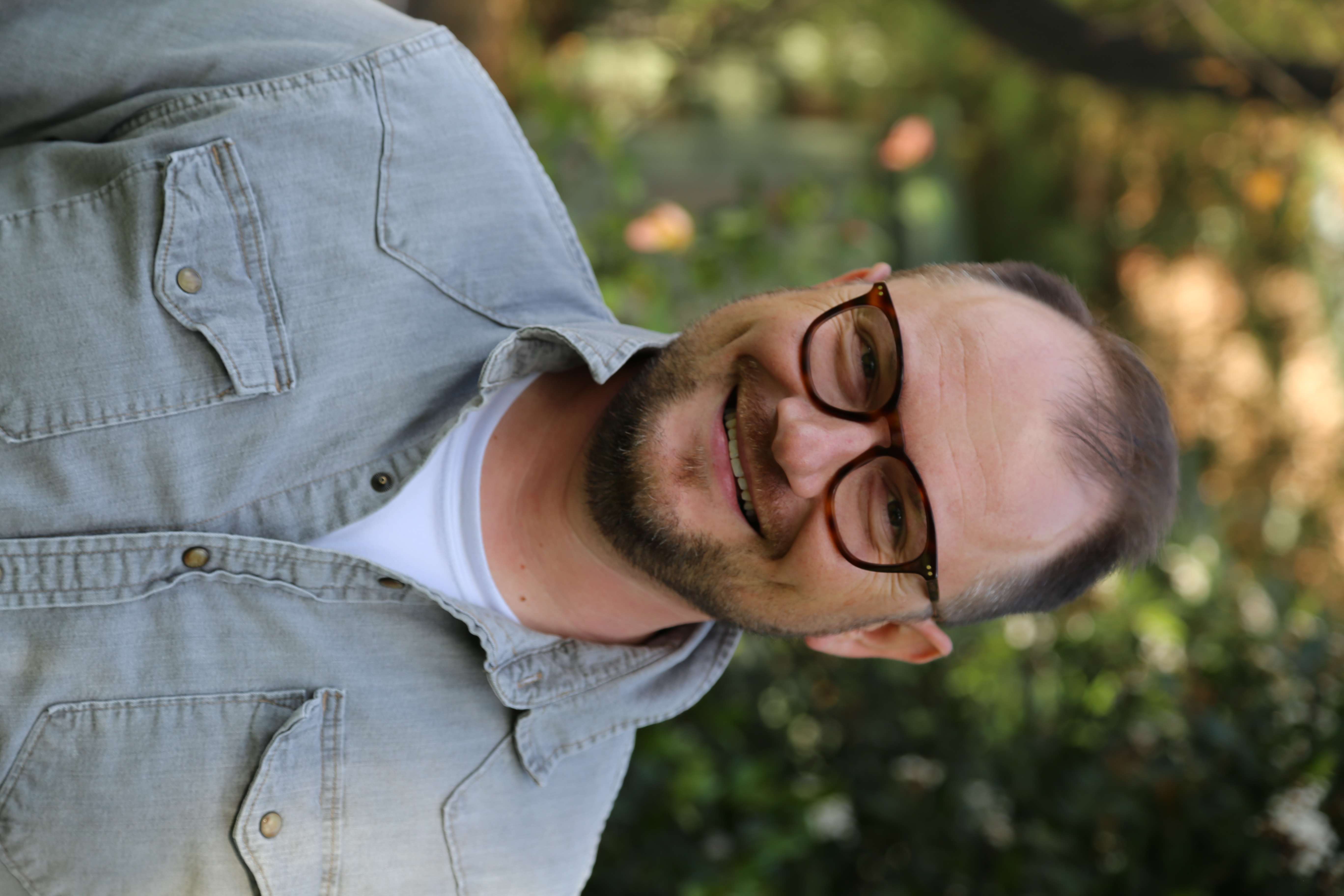
Assistant Profesor of Philosophy Stritch School of Medicine, Loyola University Chicago, and Jesuit University Ignatianum Krakow Oak Park, Illinois
Abstract: People with disabilities often experience marginalization not only in healthcare and social structures but also within their own communities. Their families and caregivers, too, face profound emotional, spiritual, and psychological struggles that remain largely unrecognized in bioethics and healthcare discourse. This presentation examines the dual marginalization of disabled individuals and their caregivers, advocating for a more inclusive, relationship-centered approach that affirms their inherent dignity.
Drawing on John Paul II’s theology of the body and Edmund Husserl’s phenomenology, I propose a re-envisioning of disability care that moves beyond a purely medicalized model. The theology of the body provides a framework for recognizing the sacredness of every human life, regardless of physical or cognitive ability. Meanwhile, phenomenology highlights the lived experience of suffering, emphasizing the deep relational and existential challenges faced by individuals with disabilities and their families.
Religious traditions, particularly Catholic theology, offer ethical insights that can inform more just and compassionate healthcare policies. By recognizing disabled individuals and caregivers as persons with intrinsic worth, we can develop a holistic model of care that addresses not only medical needs but also spiritual and emotional well-being. Furthermore, faith-based perspectives cultivate hope—not as naïve optimism, but as a relational force that upholds dignity even in suffering.
Grounded in my experience as a chaplain at a children’s hospice in Krakow, this presentation will offer concrete strategies for integrating bioethical principles with a more compassionate and inclusive approach to disability care.
Keywords: Marginalization in Healthcare, Theology of the Body and Disability, Phenomenology of Care
Learning Objectives:
After participating in this conference, attendees should be able to:
Analyze the dual marginalization experienced by individuals with disabilities and their caregivers in healthcare and society, and its ethical implications in bioethics.
Evaluate the contributions of John Paul II’s theology of the body and Edmund Husserl’s phenomenology to a relationship-centered approach to disability care.
Propose strategies for integrating dignity-affirming, holistic care models into bioethical discussions and healthcare policies.

.png)